Can Carpet Really Lower Your Rent Price in Wisconsin?
Some landlords assume that carpet is okay until the listing has been on the market for more than a month. In Southeastern Wisconsin, carpets can quietly cost inventors between $100 to $150 per month in lost rent or up to $1,800 per year, simply because they reduce demand.
Tenants today expect a space that looks good online and better in person. Oftentimes, carpet fails to do either. If you’re an investor, learn to start pricing based on how the unit competes and treat flooring as a revenue decision, instead of a cosmetic preference.
Working with thousands of residents at Performance Asset Management (PAM) has taught us that some tenants have negative experiences with carpet and tend to avoid it entirely, due to the belief that it’s old and dirty, even when it has been professionally cleaned with modern equipment. These renters can and will make flooring choices based solely on their emotions.
Once carpet is five years old, people believe it has absorbed years of foot traffic, pet activity, and spills. Digital shopping for rentals makes outdated finishes, such as carpeting, less desirable and more affordable. This can lead to fewer showings and applications, forcing landlords to cut prices.
It’s important to understand that renters aren’t putting a premium on other flooring—they’re putting a discount on carpet. If the price isn’t adjusted to reflect that, they simply move on. Continue reading to discover how much money investors lose because of these and other flooring mistakes.
Flooring Mistakes: How Much Rent Can Owners Lose?
While the market hardly rewards properties for LVP, it more so penalizes carpeting, which tends to require a monthly discount to lease quickly. In many Wisconsin markets, the discount ranges between $100 to $150 per month, totaling $1,200 to $1,800 annually. Over the course of five years, that same discount totals to $6,000 to $9,000 in lost revenue.
Potential delays in attracting tenants increase the risk of vacancies beyond the financial gap in monthly rent payments. And the decreased demand reduces the quality of tenant selection and the overall stability of lease renewals.
Renters want a stress-free living experience, as many no longer own vacuums. Hard flooring is easier to clean and maintain—that simplicity matters in everyday living.
What Common Flooring Mistakes in Rentals Hurt Investors the Most?
Some other common flooring mistakes include low-quality stick-and-peel vinyl, sheet linoleum, and attempting to refinish subfloor planks. These choices reduce tenant demand, weaken pricing power, and often force landlords to discount rent or absorb longer vacancy periods.
Refinishing Subfloor Planks
Refinishing subfloor planks can lead to uneven finishes. These boards were meant for support and often have issues. They usually vary in width, contain knots and gaps, and were never sanded flat. Plus, their spacing might be uneven.
Low-Quality Stick-and-Peel Vinyl
Similarly, low-quality stick-and-peel vinyl tiles rely on adhesive backing that weakens over time. In high-traffic rentals, edges curl, corners lift, and seams separate. This often happens because of moisture or temperature changes common in Wisconsin. This kind of floor also photographs poorly because it looks thin, glossy, and dated, reducing its perceived value.
Large Sheet Vinyl
Sheet vinyl can bubble, tear, and separate over time. Even when only small areas are damaged, large sheet vinyl is difficult to repair and generally means replacing the entire floor. It can wear unevenly in high-traffic areas, leading to fading or discoloration. Over time, the damage can look visibly worn in listing photos, communicating a much older rental than might be the case.
Why Do Tenants Avoid Carpeted Rentals?
Tenants associate carpet with cleanliness risk, wear, odors, and inconsistency. Rentals don’t share the shoes-off culture of owned homes, making carpet seem untrustworthy.
When it comes to carpeting, renters assume that different cleanliness standards have been applied over the years. Professional carpet cleaning is a short-term fix. Carpeting in general narrows the rental pool by removing a large segment of the market. Renters assume:
Multiple people have lived there
Shoes were worn inside
Pets may have been present
Spills and odors are underneath the surface
Old or matted carpet creates a subconscious association with other issues. Tenants might ask what else needs updating and if systems are well-maintained. They may also wonder if this affects response times for emergencies. Even with updated appliances and newly upgraded fixtures, poor flooring undermines trust.
What Flooring Alternatives to Carpet Work Best in Rental Properties?
One of the most common flooring alternatives to carpet in rental properties is luxury vinyl plank (LVP), because it is durable, easy to clean, and more attractive to renters.
Within most markets, especially Southeastern Wisconsin, LVP flooring has reset renter expectations. Now that renters know that better-looking alternatives to carpeting exist in different design styles and color variations, examples of LVP flooring variations include:
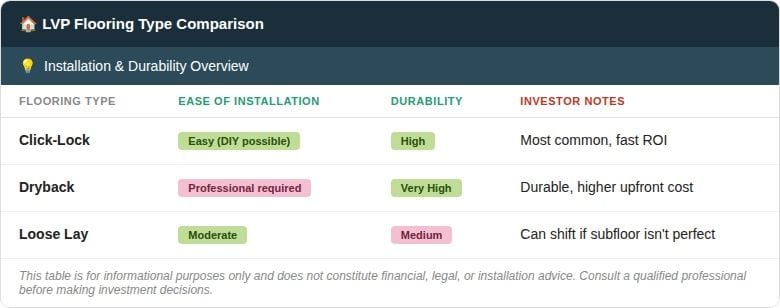
Regardless of the investor preference, switching from carpet to LVP can improve demand while protecting rent pricing.
Should You Replace the Carpet During Your Next Turnover?
Flooring goes beyond aesthetics. It can lower revenue, increase vacancy risk, and reduce long-term lease stability. Holding on to outdated carpet can quietly cost thousands in lost rent while weakening tenant retention.
If you’re a property owner with rentals that have carpet, consider a replacement during your next turnover. At PAM, we provide a data-backed rental analysis that examines:
How do your flooring and finishes compare to competing listings
Where your property may be losing demand or pricing power
What rent range can your unit realistically achieve in today’s market
From there, we’ll walk you through specific recommendations. Learn whether replacing carpet would increase your earnings and by about how much. If it makes sense to move forward, we can help implement those improvements. Schedule a free evaluation to determine whether your flooring and your rent are working together.