CapEx Planning For Rental Property
Wisconsin's rental market keeps shifting under older housing stock, and flat reserve rules stop matching what's happening on the property. Component age, current conditions, and the hold-sell-refinance decision tie capital expenditures to rental income and long-term value. PAM anchors CapEx planning in an on-site inspection paired with income visibility — so you see the capital and cash-flow picture together.
Where Generic CapEx Math Falls Apart
Flat reserve rules treat every property the same. The CapEx strategy you actually need is built from specific systems, specific ages, and the IRS rules that classify each dollar against the financial health of the asset.
The 1% Rule Falls Short
Flat reserve percentages tie your budget to a number instead of the real useful life of the roof, HVAC, and water heater on your property.
- Roof age & remaining useful life
- HVAC system age & condition
- Water heater replacement timing
Repair vs. Improvement Calls
Misclassifying work distorts your tax position and your forecast — roof patches vs. roof replacements, operating expense vs. capital improvement.
- Betterment / restoration / adaptation (IRS Pub 527)
- De-minimis safe harbor at $2,500
- 27.5-year depreciation schedules
Weather-Driven Surprises
Wisconsin storm exposure pushes exterior work and roof replacements into rushed timing, and drives costly emergency repairs.
- Roof & gutter contingency
- Siding & window exposure
- Storm-season scheduling risk
Hold Or Sell Visibility
Without a 5-year capital forecast, hold-vs-sell math stays opaque. Pair the capital view with reporting for property-value clarity.
- 5-year capital timeline
- Cash flow under capital load
- Equity vs. reinvestment view
Who This Forecasting Actually Helps
Owners Of Older Wisconsin Stock
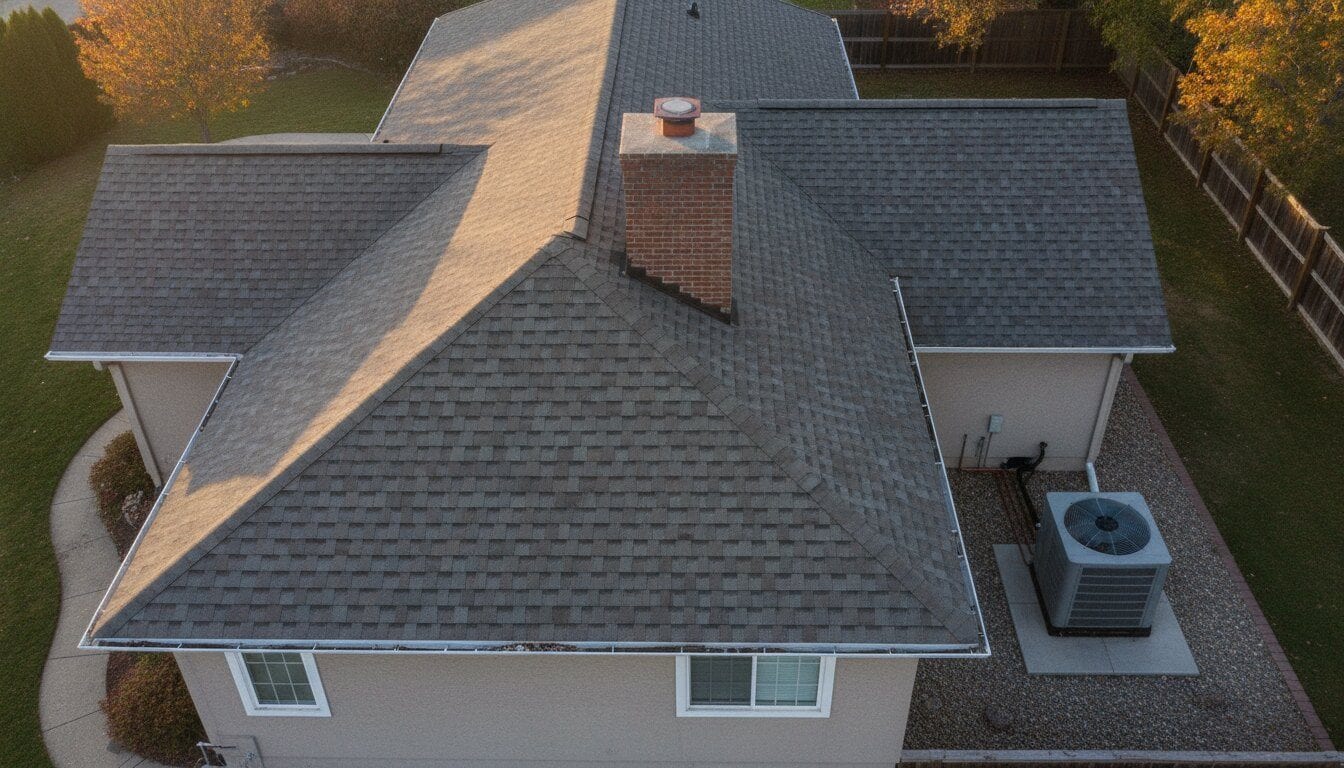
For investors holding single-family homes, duplexes, or 4-to-8-unit properties built before the 1980s in Southeastern Wisconsin, roofs, HVAC, and water heaters are sliding into replacement windows. A literal table of major systems — age, condition, projected timing — shows what capital projects land in 12, 36, and 60 months, and what you can safely defer. Ongoing inspections keep the forecast aligned with what's actually on the property.
Out-Of-State & DIY Investors
For owners who can't walk the property quarterly, and the DIY investor with a spreadsheet built years ago, component ages drift and a 2022 forecast stops matching the market. A CapEx and IncomeEx inspection rebuilds the asset schedule, surfaces what's about to fail, and runs the income side alongside it so the property's finances stay aligned.
What This Forecast Actually Gives You
Capital Timing Visibility
A 5-year forecast names which systems replace when, what they cost in today's dollars, and where the cash-flow gaps land — feeding straight into accounting so CapEx sits next to rental income.
Inspection At No Cost
The CapEx and IncomeEx walkthrough is performed at no cost at onboarding — the baseline is set before the first month bills, not reconstructed three months in.
Sharper Hold-Sell Math
When a $14k roof and a $7k HVAC system land the same year, hold-sell-refinance stops being a guess and tax implications come into focus.
How Our CapEx & IncomeEx Inspection Works
Free Rental Analysis Call
Covers property type, current rent, and what's known about system ages. No charge, no obligation — usually 20–30 minutes by phone.
On-Site CapEx Inspection
A team member walks the property, documenting roof, HVAC, water heater, electrical, plumbing, and exterior conditions with photos and remaining-useful-life estimates.
IncomeEx Schedule Build
The inspection data feeds a 5-year forecast that pairs capital timing with rental income, operating expenses, vacancy assumptions, and market rent — with outputs inside owner statements.
Owner Decision Review
A working session walks through the forecast, the decision triggers (replace, monitor, defer), and the cash-flow implications under hold-versus-sell scenarios.
Ongoing Forecast Updates
The plan refreshes at turnover, after major weather events, and at lease renewal — so you plan ahead instead of reacting.
CapEx Planning Built For Wisconsin Investors
Inspection-Based, Not Rule-Based
Because the CapEx and IncomeEx inspection happens at the start at no cost, the forecast is built from what's actually on the property — not a flat percentage applied to every asset the same way.
Investor-Aligned Fee Structure
Management runs 8% of collected rent, capped at $250/month, and pauses when the unit is vacant. No trip charges, no setup fee, and no separate forecasting line item.
17 Years In Wisconsin Housing
Managing 450+ units across Southeastern Wisconsin has taught us which systems age fastest in this climate, and which efficiency upgrades owners regret skipping. Strategic spend that cuts operating costs and protects long-term value.
Want A CapEx Forecast On Your Property?
The Free Rental Analysis includes a CapEx and IncomeEx walkthrough at no cost — system ages, replacement timing, and the income side together.
What The Inspection Documents
Roof & Exterior
Roof, gutters, siding, and windows scored on age, condition, and Wisconsin storm-exposure timing.
HVAC & Water Heater
Furnace, AC, and water heater rated on age and remaining useful life — the fastest-aging systems here.
Electrical & Plumbing
Panel, wiring, supply, and drainage checked for replacement windows and code exposure.
Income & Expense Schedule
Rent, operating expenses, vacancy, and market rent paired with the capital timeline in one view.
Each system gets a remaining-useful-life estimate and a projected replacement window — the inputs behind your 5-year forecast.
Component Forecast vs. The 1% Rule
Most owners run on a flat 1–2% reserve rule because it's simple — and as a back-of-envelope starting point, it's fine. The trouble shows up where the roof is 18 years old, the furnace is on borrowed time, and Wisconsin's rental vacancy jumped from 4.1% to 7.1% in a single year (U.S. Census Bureau). Flat reserves can't tell you when a specific system needs replacing — HUD's reserve-for-replacements guidance notes formula-based assumptions have no relationship to the equipment that actually needs work.
A flat rule sets up in minutes; the trade is that it can't tell you which system fails when.
CapEx Planning Questions Investors Ask
CapEx refers to work that betters, restores, or adapts the asset: roofs, HVAC systems, water heaters, full kitchen or bath renovations, structural work, and major exterior systems are common property improvements. Per IRS Publication 527, residential rental property and its structural components are generally depreciated over 27.5 years, which separates capital expenditures from ordinary repairs. Patching a leak is a repair; replacing the roof is a capital expenditure. The classification controls both the tax treatment and the forecast, and bonus-depreciation rules can shift timing on qualifying components.
The CapEx and IncomeEx inspection is included at no cost at the start of the management relationship, so there's no initial cost for managing CapEx on your property. Ongoing monthly management runs 8% of collected rent, capped at $250 per month, with fees waived during vacancy. There are no trip charges, no setup fee, and no separate forecasting line item. Updates happen at turnover, after major weather events, and at lease renewal as part of standard management.
Owners of single-family homes, duplexes, and 4-to-8-unit multifamily properties in Milwaukee, Waukesha, Racine, Kenosha, Washington, or Ozaukee Counties. The forecast helps most when a property has aging systems, when the owner is weighing hold versus sell, or when the existing spreadsheet has drifted stale. PAM does not manage commercial property and does not work outside the six-county footprint. If a property sits outside that area, we'll say so on the first call rather than running a forecast that doesn't apply.
Use the IRS betterment, restoration, and adaptation test: if the work creates a betterment, restores a major component, or adapts the property to a new use, it's a capital expenditure and gets capitalized against the depreciation schedule. Routine repairs stay current expenses. Smaller items under $2,500 per invoice may fall under the IRS de-minimis safe harbor for taxpayers without an applicable financial statement. The line matters because misclassification distorts both your tax filing and your forecast, and the difference compounds over the 27.5-year depreciation window.
Yes, and many investors start by trying to calculate capital expenditures on their own. The trouble is keeping it current across multiple properties. Component ages drift, replacement prices move with inflation, and a 2022 spreadsheet quietly stops matching the 2026 property. PAM's inspection rebuilds the schedule with current ages, current local replacement costs, and current operating assumptions over the hold period. Investors repeatedly favor a literal table of systems with age and condition over any flat reserve rule.
The forecast does not include personal investment advice, formal property appraisals, tax filing services, or commercial property analysis. PAM coordinates skilled third-party contractors and vendors to maintain physical assets and handle repair work through maintenance coordination. The forecast estimates timing and cost on significant property improvements. Acquisitions consulting and portfolio analysis are separate engagements offered through PAM's investor advisory work.
The on-site CapEx inspection typically takes 60–90 minutes per single-family property, and longer for multifamily. The full 5-year forecast and owner decision review usually lands within 7–10 business days of the inspection. Updates after that happen at turnover, after major weather events, and at lease renewal. If you'd like to start, the Free Rental Analysis call runs 20–30 minutes by phone and sets the timeline on your property.
PAM's Exit Guarantee lets owners cancel with 1-day notice and zero termination fees. The Results Guarantee means PAM is only paid when the owner is paid, with fees drawn from collected rent rather than scheduled rent. The Leasing Guarantee replaces a resident at no cost if a PAM-placed resident leaves within 12 months. Those terms apply across the management relationship the CapEx forecast lives inside, and the full set sits on the guarantees page.
We manage every property like it's our own, because your success is our business. Your annual performance is our forever reputation.
See The Real CapEx Picture On Your Rental
The Free Rental Analysis includes a no-cost CapEx and IncomeEx walkthrough across the six-county service area. Bring your address and what you know about system ages.